
Last Updated on July 20, 2026 by Digiinte.com Team
Running a small business is hard enough without worrying about where you rank on Google. But here’s the truth. If people can’t find you online, they will find your competitor instead.
That’s where local SEO comes in. Local SEO helps your business show up when someone nearby searches for what you offer. Think “coffee shop near me” or “plumber in [your city].” When done right, it brings real customers to your door, not just clicks.
- Key Takeaways
- What Is Local SEO, Exactly?
- 1. Claim and Optimize Your Google Business Profile
- 2. Keep Your NAP Information Consistent
- 3. Get More Genuine Customer Reviews
- 4. Use Local Keywords Throughout Your Website
- 5. Build Local Citations and Directory Listings
- 6. Make Your Website Mobile Friendly
- 7. Create Location Specific Content
- 8. Build Local Backlinks
- Quick Local SEO Checklist
- Frequently Asked Questions
- Conclusion
In this guide, we’ll walk through eight local SEO tips for small businesses that are simple to apply and genuinely effective. No confusing jargon. No expensive tools required. Just practical steps you can start today.
Let’s get into it.
Key Takeaways
- Local SEO helps nearby customers find your business when they search on Google, Google Maps, or voice assistants.
- Google ranks local businesses based on three factors: relevance, distance, and prominence.
- A complete, active Google Business Profile is the single biggest lever for local visibility.
- Consistent NAP details across every platform build trust with both customers and search engines.
- Genuine, recent reviews carry real weight in local rankings, not just customer decisions.
- Local keywords, local content, and local backlinks all signal to Google that you’re part of the community you serve.
- A mobile friendly, fast loading website turns local searchers into paying customers.
- You don’t need a big budget. Consistency and accuracy matter more than fancy tools.
What Is Local SEO, Exactly?
Local SEO is the process of improving your online presence so your business shows up when people nearby search for what you sell. It’s a branch of regular SEO, but instead of trying to rank for the whole country or the whole world, you’re trying to rank for people in your city, your neighborhood, or even your street.
Think about the last time you searched for something like “dentist open now” or “best tacos near me.” You weren’t looking for a dentist in another state. You wanted someone close by, someone who could help you today. That’s local intent, and it’s exactly what local SEO is built around.
Here’s the part a lot of business owners miss. Local SEO isn’t just one thing you do once and forget. It’s a mix of several moving parts working together. Your Google Business Profile, your website, your reviews, your citations, and even your social media all send signals to Google. Search engines combine these signals to decide who deserves to show up first when someone nearby hits search.

How Google Decides Who Ranks Locally
Google looks at three main factors when ranking local businesses. Understanding these makes it much easier to know where to focus your effort.
Relevance. This is how well your business matches what someone is searching for. If a customer searches for “vegan bakery,” Google checks whether your business profile, website, and reviews actually mention vegan baked goods. The clearer your business information, the easier it is for Google to match you with the right searches.
Distance. This one is simple. Google looks at how far your business is from the person searching, or from the location they typed in. You can’t change your physical location, but you can make sure your address is set correctly everywhere so Google calculates this accurately.
Prominence. This reflects how well known and trusted your business is, both online and offline. Prominence comes from things like the number and quality of your reviews, how many websites link to you, press mentions, and general online activity. A business with a strong reputation and consistent online presence naturally earns more prominence.
These three factors work together. You might have the closest bakery to someone searching, but if your competitor down the street has better reviews and a more complete profile, they can still outrank you. That’s why local SEO is really about building trust and clarity, not just proximity.
Why This Matters More Than Ever
A few years ago, local search results were fairly simple. Today, they’re competitive, and they’re often the very first thing a potential customer sees before they ever visit your website.
Most people search on their phones while they’re out and about, looking for fast answers and nearby options. Someone driving through your area, standing outside a competitor’s store, or simply scrolling through their phone on the couch could all be searching for a business exactly like yours right now.
If your business isn’t set up properly for local search, you’re essentially invisible to a large portion of these potential customers. They never even get the chance to consider you, because they never see you in the first place.
Here’s what strong local SEO can realistically do for a small business over time:
- Bring more foot traffic into your physical store, without spending money on ads
- Build genuine trust with customers before they’ve even walked through your door
- Help a small, independent business compete against bigger, better funded brands nearby
- Attract customers who already have buying intent, rather than casual browsers
The good news is that local SEO doesn’t require a massive budget or a technical background. It requires consistency, accuracy, and a bit of patience. The eight tips below will show you exactly where to start and how to build on that foundation over time.
1. Claim and Optimize Your Google Business Profile
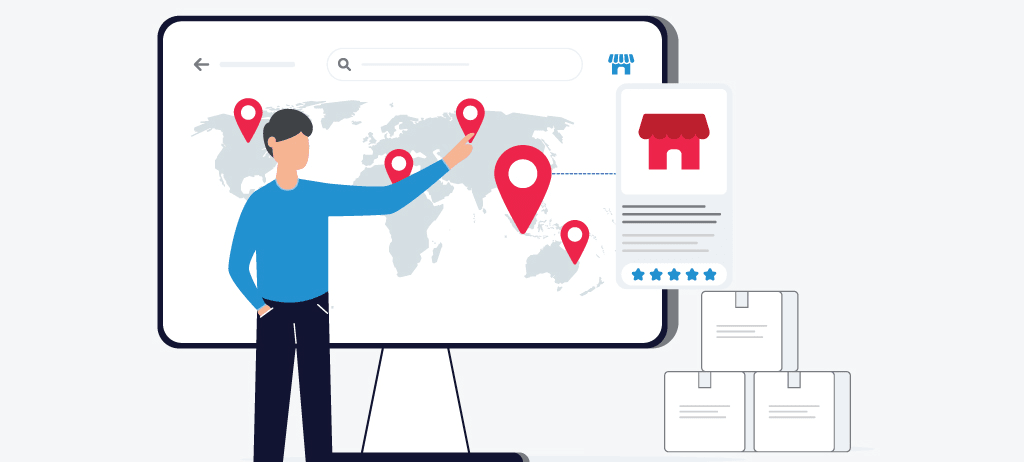
This is the single most important step in local SEO. Your Google Business Profile (formerly Google My Business) is often the first thing people see when they search for your business.
How to Set It Up Properly
Start by claiming your profile if you haven’t already. Then fill out every section completely. Don’t leave anything blank.
Make sure to include:
- Accurate business name, address, and phone number
- Correct business category
- Business hours, including holiday hours
- High quality photos of your storefront, products, or team
- A short, keyword rich business description
Update your profile regularly. Add posts about promotions, events, or new products. Google rewards active profiles with better visibility.
Example: A local bakery that updates its profile weekly with fresh photos and posts about daily specials tends to outrank bakeries that set up their profile once and never touch it again.
2. Keep Your NAP Information Consistent
NAP stands for Name, Address, and Phone number. This might sound simple, but it’s one of the most overlooked local SEO tips for small businesses.
Your NAP details need to match exactly across every platform. That means your website, Google Business Profile, Facebook page, Yelp listing, and any other directory.
Why Consistency Matters
Search engines use NAP data to verify that your business is legitimate and trustworthy. If your address is listed differently on different sites, it confuses search engines and can hurt your rankings.
Here’s a quick check you can do today:
| Platform | Business Name | Address | Phone Number |
| Google Business Profile | Yes | Yes | Yes |
| Website | Yes | Yes | Yes |
| Yes | Yes | Yes | |
| Yelp | Yes | Yes | Yes |
If any of these don’t match, fix them right away.
3. Get More Genuine Customer Reviews
Reviews are a huge trust signal, both for customers and for search engines. Businesses with more positive reviews tend to rank higher in local search results.
How to Encourage More Reviews
- Ask happy customers directly, in person or through a follow up email
- Send a text message with a direct link to your review page
- Make the process as simple as possible
- Respond to every review, good or bad
Responding to reviews shows that you care about customer experience. It also signals to Google that your business is active and engaged.
Tip: Never buy fake reviews. Google can detect suspicious review patterns, and getting caught can seriously damage your rankings and reputation.
4. Use Local Keywords Throughout Your Website
Generic keywords won’t cut it if you want to attract nearby customers. You need to think local.
Where to Add Local Keywords
Instead of just targeting “bakery,” aim for something like “bakery in Austin Texas” or “best bakery near downtown Austin.”
Add these local keywords naturally in:
- Page titles and meta descriptions
- Headings throughout your content
- Image alt text
- Website content and blog posts
- Footer of your website
Avoid stuffing keywords unnaturally. Write for humans first, and let search engines follow.
Example: A plumber targeting “emergency plumber in Denver” instead of just “emergency plumber” will attract more relevant, ready to hire local traffic.
5. Build Local Citations and Directory Listings
A citation is any online mention of your business name, address, and phone number, even without a link back to your site. These citations help build trust and improve your local rankings.
Best Places to List Your Business
- Yelp
- Bing Places
- Apple Maps
- Local chamber of commerce websites
- Industry specific directories
The more consistent and widespread your citations, the more credible your business looks to search engines.
Take time each month to search for your business name and see where it’s listed. Claim any unclaimed listings and correct any outdated information.
6. Make Your Website Mobile Friendly
Here’s a fact that surprises a lot of business owners. Most local searches happen on mobile devices. If your website isn’t optimized for mobile, you’re losing customers before they even see what you offer.
Signs Your Site Needs Mobile Optimization
- Text is too small to read without zooming
- Buttons are hard to tap accurately
- Pages take too long to load
- Content doesn’t resize properly on smaller screens
A slow, clunky mobile experience frustrates users and increases your bounce rate. Google notices this and can lower your rankings as a result.
Quick Fixes
- Use a responsive website design
- Compress images to speed up loading time
- Simplify navigation menus
- Test your site on multiple devices regularly
A mobile friendly site isn’t optional anymore. It’s the baseline expectation.
7. Create Location Specific Content
Content is still one of the most powerful local SEO tips for small businesses, especially when it’s tailored to your area.
Content Ideas for Local SEO
- Write about local events you’re sponsoring or attending
- Share customer stories from your community
- Create guides related to your city or neighborhood
- Highlight local partnerships or collaborations
This kind of content shows Google, and your customers, that you’re genuinely part of the local community. It also gives people more reasons to visit your website and, eventually, your store.
Example: A gym could write a post titled “Best Outdoor Running Trails Near [City Name]” to attract local fitness enthusiasts while subtly promoting their services.
8. Build Local Backlinks
Backlinks from other local websites tell search engines that your business is trusted within your community. These links carry real weight in local search rankings.
How to Earn Local Backlinks
- Partner with other local businesses for cross promotion
- Sponsor local events or sports teams
- Get featured in local news outlets or blogs
- Join local business associations that link to members
Quality matters more than quantity here. A single link from a respected local newspaper is worth more than dozens of low quality directory links.
Quick Local SEO Checklist
Here’s a simple checklist to track your progress:
- Claim and complete your Google Business Profile
- Fix NAP consistency across all platforms
- Collect and respond to customer reviews
- Add local keywords naturally throughout your site
- List your business in relevant directories
- Optimize your website for mobile users
- Publish location specific content regularly
- Build backlinks from local sources
Work through this list one step at a time. You don’t need to do everything at once. Small, consistent effort adds up over time.
Frequently Asked Questions
Conclusion
Local SEO doesn’t have to feel overwhelming. By focusing on these eight local SEO tips for small businesses, you’re setting a strong foundation for long term growth. Start with your Google Business Profile, clean up your NAP details, and gather a few honest reviews this week.
Small, steady steps lead to real results. Your future customers are already searching for a business like yours. Make sure they find you first.
Ready to take the next step? Start applying these tips today, and watch your local visibility grow month after month.

Behind every post at digiinte.com is a team of experienced SEO analysts and digital growth specialists. Our insights are backed by real data, industry research, and hands-on campaign experience — so you get advice that actually moves the needle.