
If you’ve been working on SEO for a while and still aren’t seeing the rankings you expect, backlinks could be the missing piece. But more often than not, the issue isn’t the number of backlinks—it’s how those backlinks are anchored. This is where a Backlink Anchor Text Checker becomes extremely valuable.
Anchor text plays a major role in how search engines understand your website. When used naturally, it helps Google connect your pages with relevant topics. When misused, it can do the opposite—causing ranking drops or even penalties. In this beginner-friendly guide, you’ll learn how to check anchor text backlinks, perform backlink anchor text analysis, and use backlink profile analysis to improve SEO safely and sustainably.
What Is Anchor Text in SEO?
Anchor text is the visible, clickable text in a hyperlink. It tells users—and search engines—what they should expect after clicking a link. For example, if a website links to your page using the words “best SEO tools,” Google interprets that your page is related to SEO tools.
Search engines use anchor text as a contextual signal. It helps them understand the topic, relevance, and credibility of the linked page. When many websites link to you using natural, varied anchor text, it strengthens your authority. However, when the same keyword-rich anchor text is repeated unnaturally, it raises red flags.
This is why anchor text is not just a small SEO detail—it’s a core part of link quality.
What Is a Backlink Anchor Text Checker?
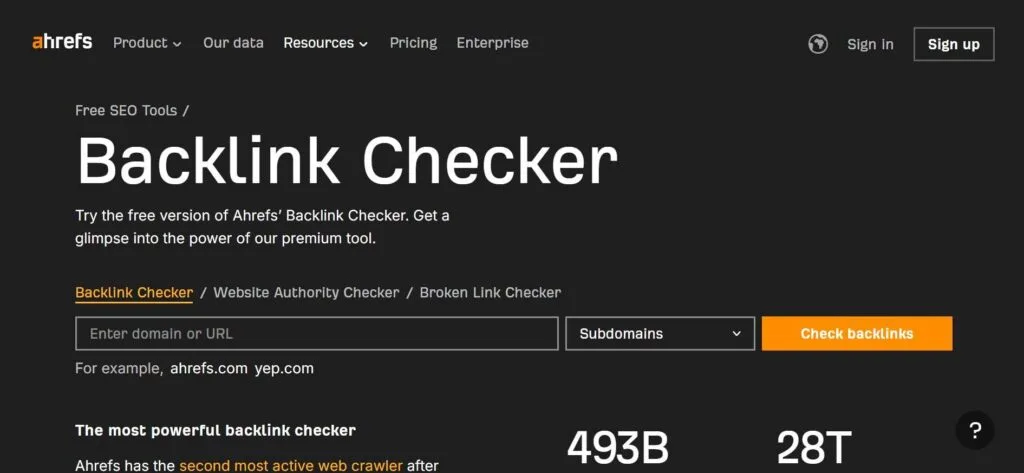
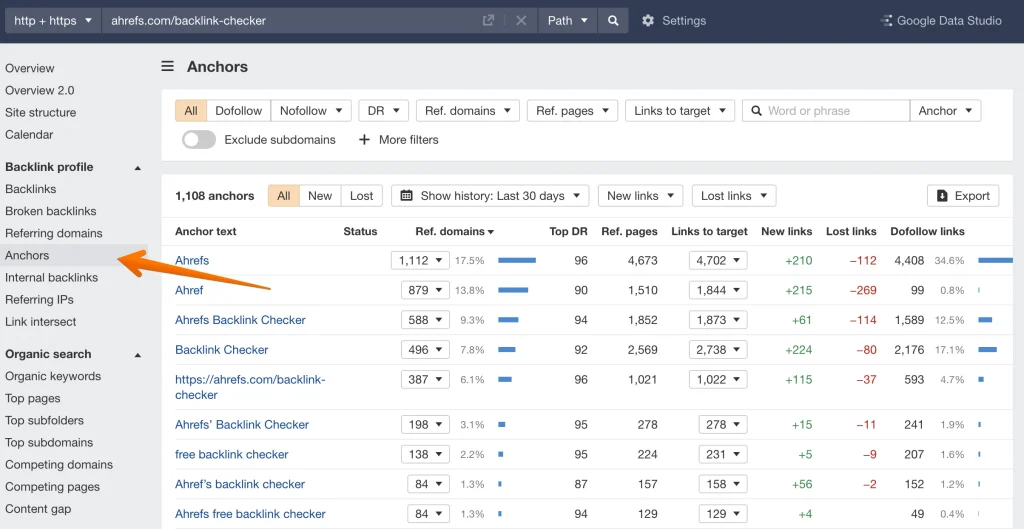
A Backlink Anchor Text Checker is an SEO tool that scans all the backlinks pointing to your website and shows the exact anchor text used in each link. Instead of guessing how other websites are linking to you, this tool gives you a clear, data-backed view of your backlink profile.
It allows you to see:
- Which keywords are most frequently used as anchors
- Whether your anchors look natural or over-optimized
- How balanced your backlink profile really is
For beginners, this tool removes confusion and replaces it with clarity.
Why Backlink Anchor Text Analysis Matters So Much
Google’s algorithms are designed to detect manipulation. In the past, websites ranked quickly by building keyword-heavy backlinks. Today, that same tactic can hurt your site.
Backlink anchor text analysis helps you understand how Google interprets your links. If your backlink profile is filled with aggressive, keyword-stuffed anchors, Google may assume you’re trying to game the system. On the other hand, a diverse and natural anchor mix signals trust.
By analyzing anchor text regularly, you can:
- Prevent algorithmic penalties
- Protect long-term rankings
- Build SEO authority the right way
- Spot risky links before they cause damage
This is especially important for beginners who may unknowingly create harmful link patterns.
Different Types of Anchor Text Explained in Detail

Understanding anchor types is essential before you check anchor text backlinks.
Branded Anchor Text
Branded anchors include your business name or website name. These are the safest and most trusted anchors because they look completely natural.
Example:
- Digiinte
- Digiinte SEO Platform
Google expects branded anchors, especially as your site grows.
Exact Match Anchor Text
Exact match anchors use the precise keyword you want to rank for. While they can help rankings in moderation, overuse is dangerous.
Example:
- Backlink Anchor Text Checker
Exact-match anchors should be used carefully and sparingly.
Partial Match Anchor Text
Partial match anchors combine keywords with additional words. They are much safer than exact matches and still provide relevance.
Example:
- Best backlink anchor text checker tool
These are ideal for contextual backlinks.
Generic Anchor Text
Generic anchors don’t describe the page but are extremely common on the web.
Example:
- Click here
- Read more
They help diversify your anchor text profile.
Naked URL Anchors
These use the raw URL as the anchor text.
Example:
They are natural and commonly found in forums, citations, and references.
What a Healthy Anchor Text Profile Looks Like
There is no universal rule, but most natural backlink profiles follow a predictable pattern. A healthy backlink profile analysis usually shows:
- A majority of branded anchors
- A mix of generic and URL-based anchors
- A small percentage of keyword-based anchors
If keyword-heavy anchors dominate your profile, it’s a sign you need to rebalance.
How to Use a Backlink Anchor Text Checker (Beginner Steps)
Step 1: Add Your Website URL
Enter your domain into the Backlink Anchor Text Checker. This tells the tool what site to analyze.
Step 2: Let the Tool Scan Your Backlinks
The tool collects backlink data from multiple sources and lists every anchor text used.
Step 3: Review Anchor Text Distribution
This is the most important step. Look at how anchors are divided across branded, generic, partial match, and exact match categories.
Step 4: Identify SEO Risks
Check for repeated keyword anchors, spammy phrases, or unrelated terms. These often indicate low-quality backlinks.
Step 5: Combine With Backlink Profile Analysis
Anchor text alone isn’t enough. Review domain authority, relevance, and traffic of linking sites to get the full picture.
Common Anchor Text Mistakes Beginners Make
Many beginners unintentionally harm their SEO by:
- Using the same keyword anchor repeatedly
- Buying backlinks with exact-match anchors
- Ignoring spammy anchors
- Focusing only on rankings, not safety
These mistakes are avoidable with regular anchor text checks.
How to Fix an Over-Optimized Anchor Text Profile
If your Backlink Anchor Text Checker shows problems, don’t panic. SEO recovery is possible.
You can:
- Build more branded backlinks
- Use generic anchors in outreach
- Dilute keyword-heavy anchors naturally
- Disavow toxic links if necessary
Fixing anchor text issues should always be gradual and natural.
How Often Should You Check Anchor Text Backlinks?
For best SEO hygiene:
- Check monthly for active sites
- Check after link-building campaigns
- Check immediately after ranking drops
Consistency is key to long-term SEO success.
Anchor Text Strategy for SEO Beginners
If you’re just starting out, keep it simple. Focus on:
- Brand mentions
- Natural language
- Contextual relevance
Always prioritize value over manipulation.
Final Thoughts: Why a Backlink Anchor Text Checker Is Essential
A Backlink Anchor Text Checker helps you see what Google sees. It protects your website from penalties, improves trust, and ensures your SEO growth is stable and sustainable. If you care about long-term rankings, anchor text analysis should never be ignored.